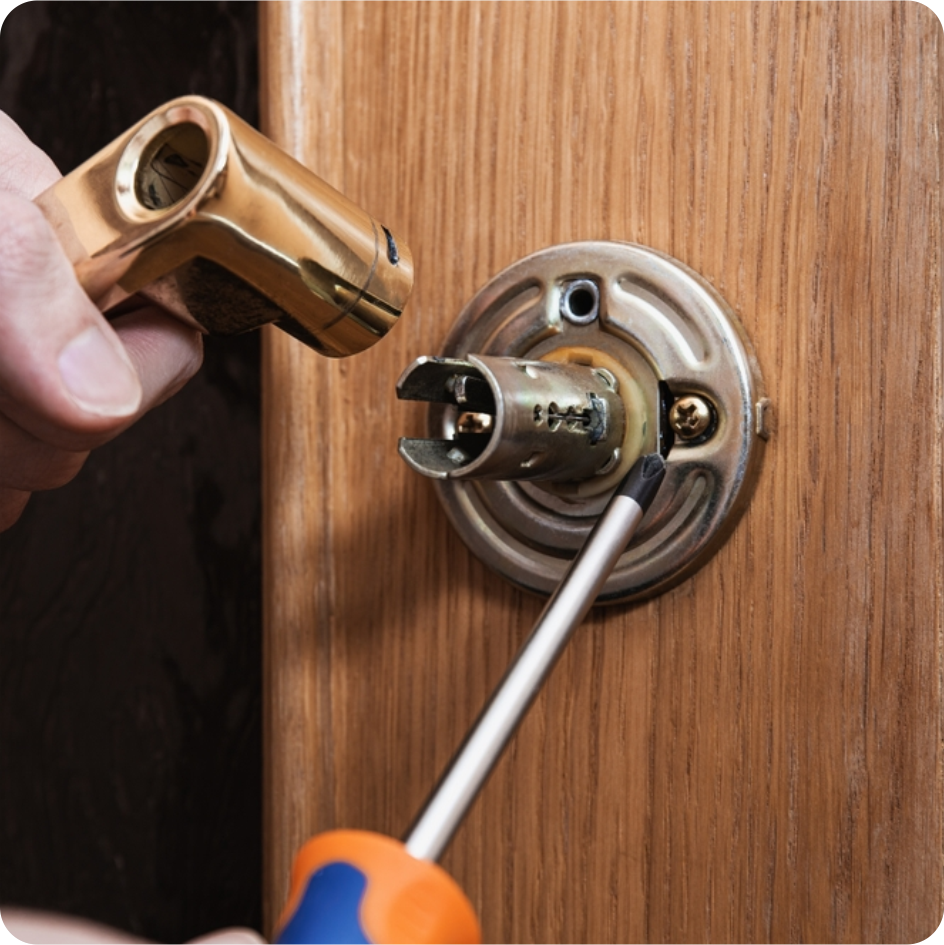
Locks are used every day, but most people don’t think about them until something starts going wrong.
A key becomes harder to turn. The handle feels loose. A deadbolt doesn’t extend properly. Eventually, the lock may stop working altogether.
Our lock repair service helps homeowners, tenants, landlords and businesses across West End and surrounding Brisbane suburbs deal with these issues before they become more disruptive.
What Are the Signs of a Faulty Lock?
A properly functioning lock should operate smoothly without excessive force.
If you notice grinding, sticking, unusual resistance, loose movement or difficulty turning the key, something may be developing inside the mechanism.
These signs don’t automatically mean the lock needs replacing. However, they indicate that the hardware should be assessed before the problem becomes worse.
Why Do Locks Stop Working Properly?
Everyday use naturally causes wear.
Keys are inserted and turned thousands of times over the life of a lock. Dust, moisture, ageing components and repeated pressure can gradually affect the mechanism.
Door movement can also cause problems. If the door or frame shifts slightly, the latch or deadbolt may no longer line up correctly with the strike plate.
In that situation, the lock may appear faulty when the actual problem is alignment.
Should You Repair or Replace the Lock?
That depends on the condition of the hardware.
A minor mechanical fault may be repairable, while severely worn, damaged or outdated hardware may be better replaced.
Replacing a lock isn’t automatically the best answer, just as repairing severely damaged hardware isn’t always economical.
A professional assessment helps identify the practical option.
Why You Shouldn’t Ignore a Sticking Lock
A lock that needs extra force today may become completely jammed tomorrow.
The same applies to keys. If a key is already difficult to turn, repeatedly forcing it can increase the chance of bending or snapping it.
Addressing the warning signs early can reduce the chance of an unexpected lockout.
Warning: Never force a key that is becoming increasingly difficult to turn. A snapped key inside the cylinder can make an existing lock problem much more complicated.
Residential Lock Repairs in West End
Residential locks experience constant use.
Front doors, back doors, garage entries and other access points all need to operate reliably. A small fault can quickly become a major inconvenience when the door is needed every day.
Prompt repair can restore normal operation and help prevent the problem from affecting your household’s access.
Commercial Lock Repairs
Businesses have additional reasons to address faulty locks quickly.
A damaged office or entrance lock can affect staff access, opening routines and property security.
Getting the issue assessed early can help minimise disruption and determine whether repair or replacement is the better long-term option.
Lock Repair Without Unnecessary Replacement
A good locksmith should not recommend replacement simply because something is inconvenient.
The existing hardware should be assessed first. If it can be repaired reliably, that may be the more practical choice.
If replacement is necessary, you should understand why and what benefit the new hardware provides.
How to Keep Your Locks Working Properly
Pay attention to small changes in operation.
If the key starts sticking, the handle becomes loose or the door needs to be pushed or pulled before the lock works, don’t simply accept it as normal.
These changes can provide an early indication that the lock or door alignment needs attention.
Pro Tip: If the lock works smoothly with the door open but becomes difficult when the door is closed, have the alignment checked before replacing the entire lock.
Professional Lock Repair Across West End
West End Lock Security provides professional lock repair assistance across West End and surrounding Brisbane suburbs.
Whether you’re dealing with a stiff cylinder, damaged hardware, a jammed mechanism or another locking problem, we’ll assess the issue and help you choose a practical solution.
The goal is straightforward: restore reliable lock operation without recommending unnecessary work.